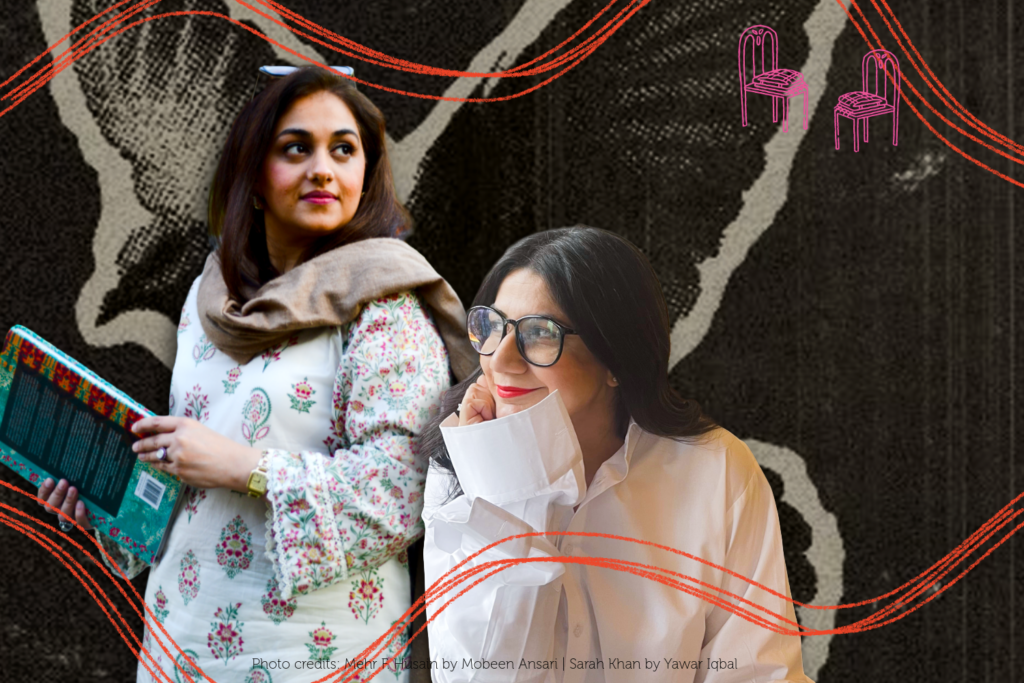
Writing is an act of resistance, to pen one’s truth, without hesitation and with intention. Publishing creates space for these truths to enter the world, and for writers to connect with wider audiences.
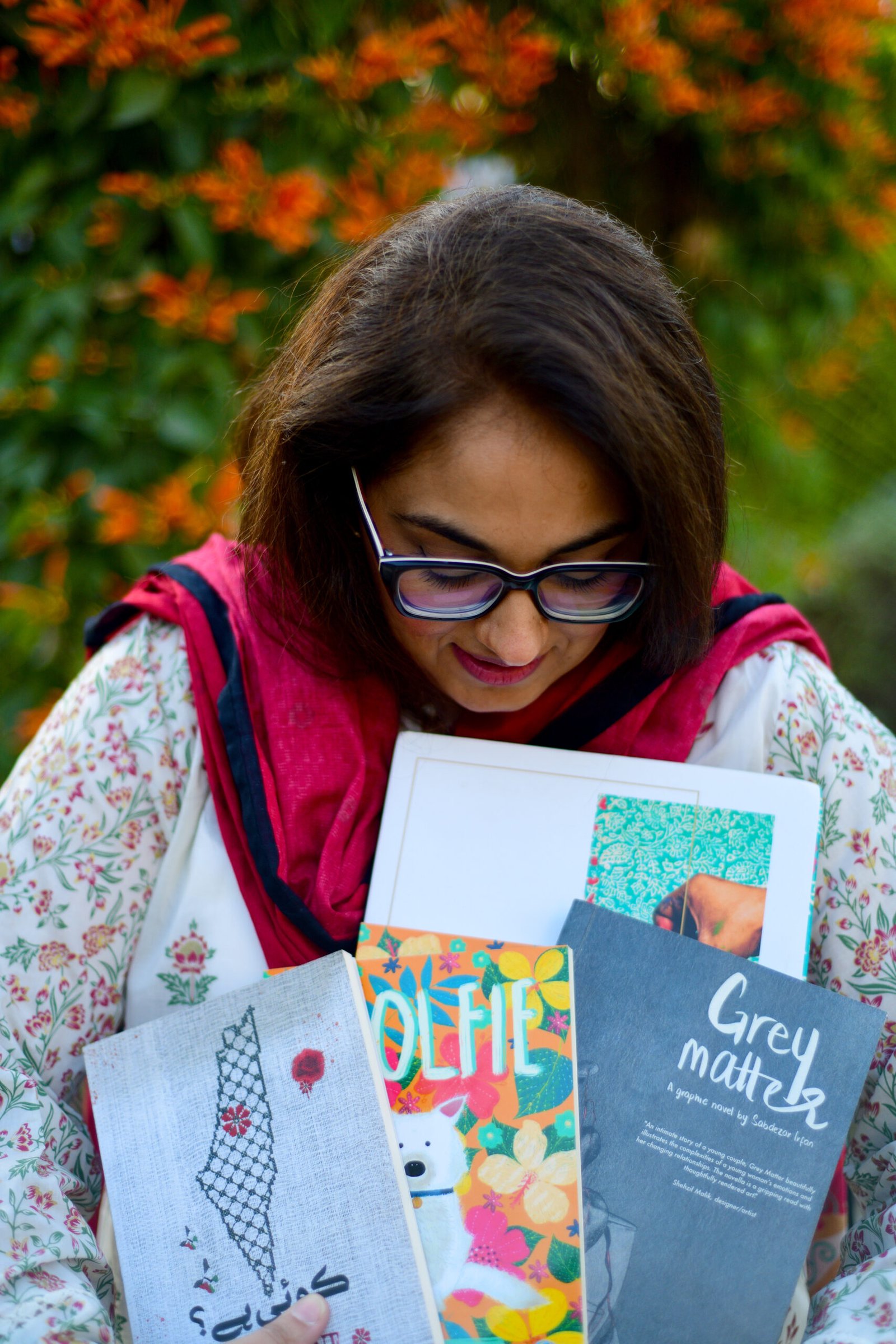
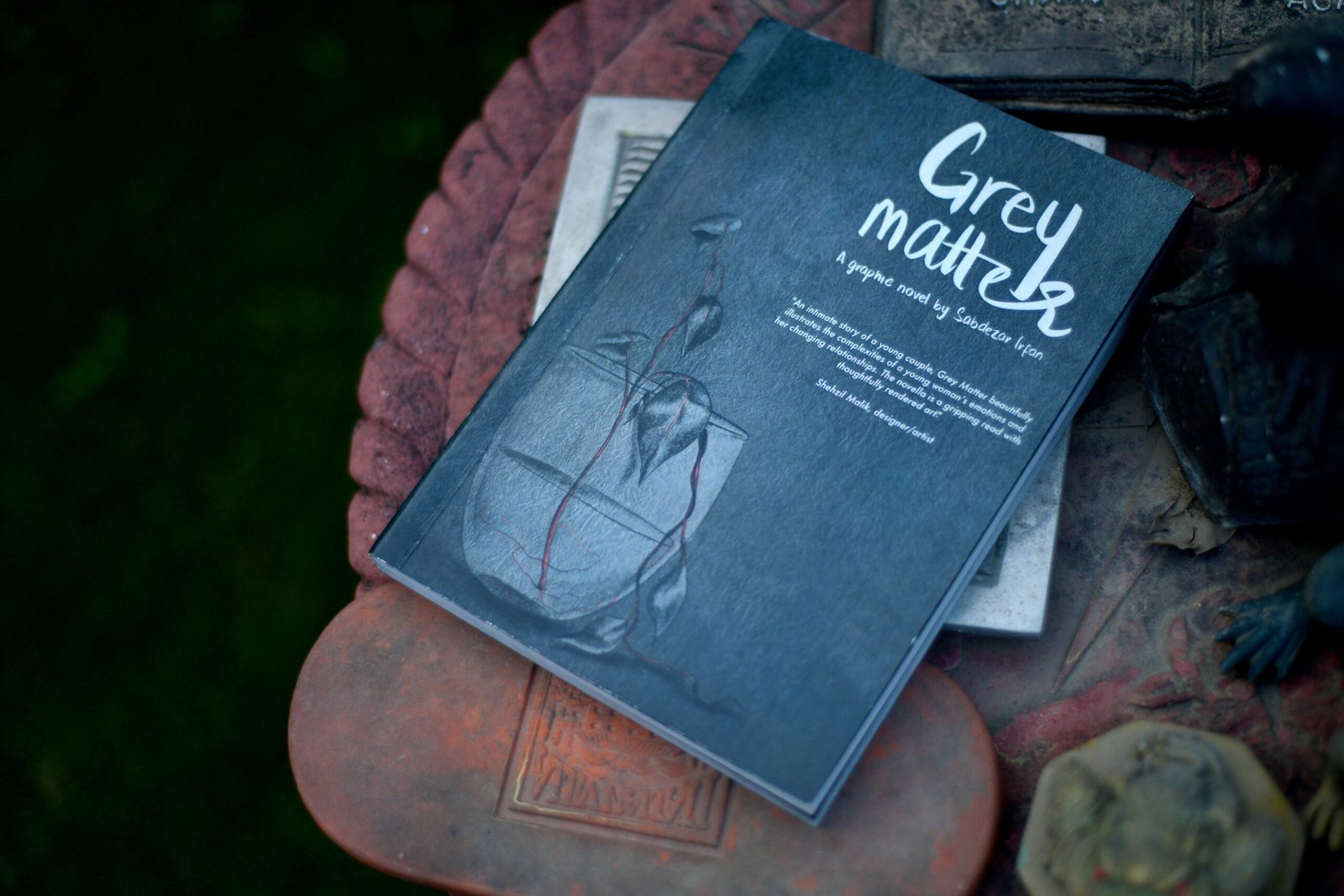
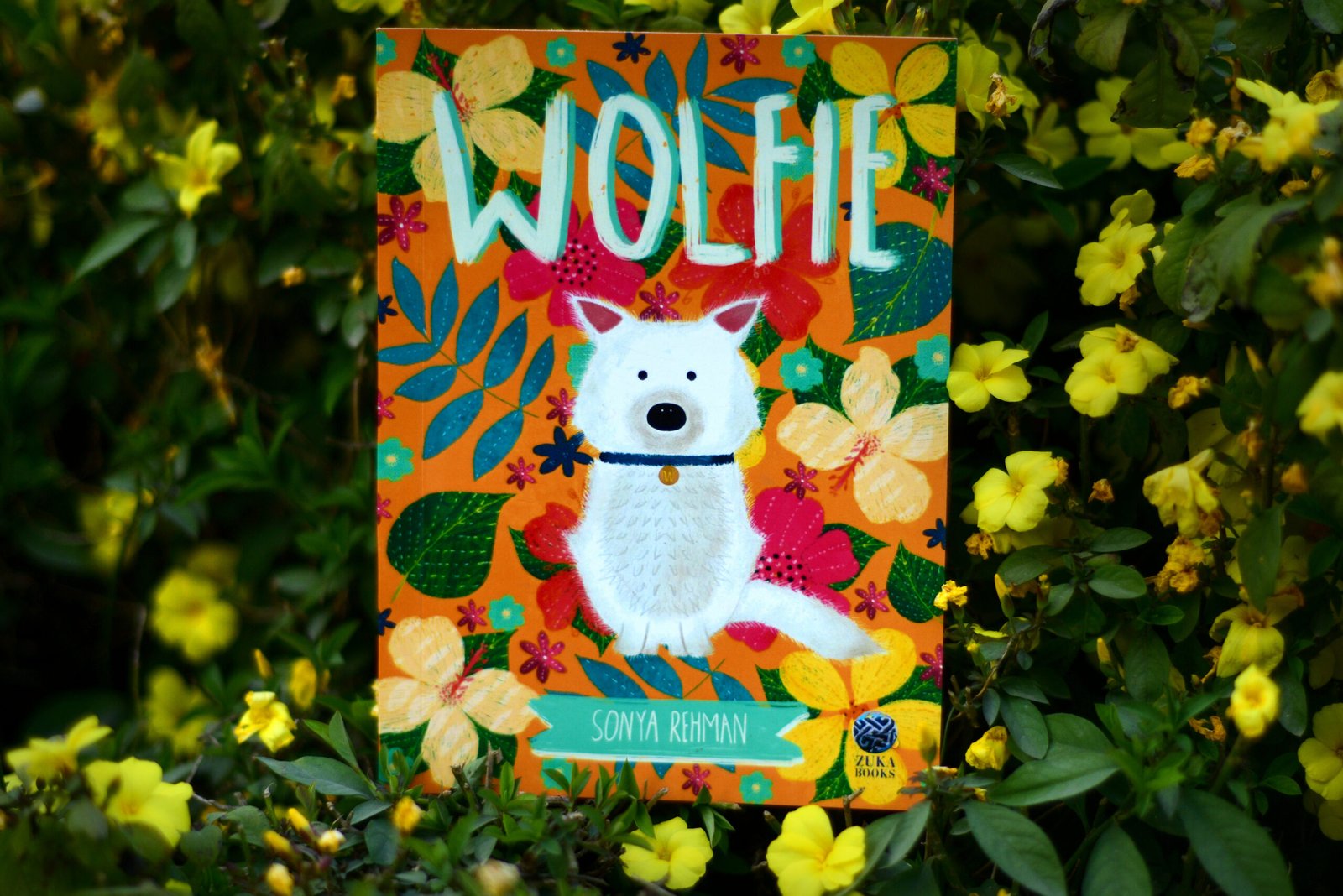
Mehr, the founder of Zuka Books, Pakistan’s first independent publishing platform, is providing such a space. In just six years, Zuka Books, a UN affiliated platform, has published books ranging from Pakistan’s first graphic novel to an anthology on Palestine, zealously amplifying marginalised voices and perspectives. I witnessed this commitment firsthand.
Last year, over coffee, Mehr asked me a simple question: What would you love to see in print? My answer was instant. I wanted to publish stories about a feeling that touches us all: loneliness. Today, after an overwhelming response to our open call from all over the world, we are editing that anthology together. For me, this project is a testament to the importance of giving stories a platform.
I now sit with Mehr, discussing her journey with Zuka Books, and how her efforts have helped give authors a much-needed home.
Can you tell us a little about your journey into publishing, and what led you to start your own house?
I never thought I would become a publisher. Ever. If anyone before 2020 had told me I would start my own publishing entity – and that too, during a global pandemic – I simply would have thought they were having a laugh. When I finished my Master’s degree in London in 2009 I landed in a rural town of sorts in Saudi Arabia, where I’d be alone for up to 12 hours a day, just surrounded by nothing but silence. The universe showed me some kindness then, and a book project landed in my lap that I began working on. In 2011, just a week before I gave birth to my elder son in London, I finished the book. After my second son was born, I realised I could never return to journalism strictly and decided to focus on writing books. All was going well, till Pulwama happened and Pakistani authors lost publishing deals in India. Given the state of publishing in Pakistan at the time, a struggling industry, I thought this is ridiculous. I took my whole lifetime of experiences, good and bad times, successes and traumas, highs and lows, and poured it into Zuka Books.
What was the gap in the publishing world that you felt compelled to respond to?
There are several. One was how Pakistani authors were being punished for political crises and geography. I have yet to understand why culture must suffer in the face of political decisions that lead to instability. In fact, I find it fascinating how the world responds to culture when disaster strikes, using it as a means to gain attention after the mess – whether it be war, climate disasters, humanitarian crises. It comes down to utilisation of culture to humanise the devastation, so why destroy it in the first place? Second, Pakistani authors get published abroad and yet, the validation comes when their books are found in Pakistan. I mean, make it make sense. Might as well publish locally then? There is a misconception that unless you’re published by the big 5 you aren’t a successful author. The big 5 are corporate entities; they publish hundreds of authors every year who sell their books commercially in places like Walmart and airports, which is A-Okay. Out of those 100s, a select few are marketed and turned into literary stars. And yet despite that, if you’re still having to look to home ground, why not do it here then?
Third, cultural freedom. There is not a single week where I don’t come across a Pakistani creative on social media and I think ‘Incredible work!’. We need to create avenues for them to apply that creativity. I long for creative freedom, I want to see young people own their creativity and not limit it to the digital realm where they feel free from the confines of parental supervision or societal scrutiny. Their work needs to be valued and through publishing I hope to enable that change. Fourth, Pakistani writers find it difficult to gain acceptance at the Global North Publishers Table. That’s fine, I’m quite happy to build my own table. I see others copying my work and style and I think ‘good, more power to you’. Fifth, I am tired of men owning publishing in Pakistan. What have they done? Yes, yes the market does not help but I want to set a standard where we differentiate between publishers and printers. I am a publisher – meet me where I am at.
When you think about publishing as a form of resistance, what does that actually mean to you in practice?
Oh, I love this! Pakistan has a rich literary heritage and it stands weathered and broken today in the face of putting up a fight against state and society. We confuse publishing with authors. An author cannot comment on publishers or publishing because while both suffer from censorship, the contexts differ. Publishing enables the writer’s voice to reach an audience. Without a publisher, an author’s work and reach remains limited. A publisher faces consequences and is responsible for themselves and the author; the author only has themselves to look out for. A publisher is also responsible for the people they work with – their safety, protection and financial remunerations. Through this a publisher becomes a force of change, no matter how big or small. Qatra, qatra, darya banta hai. Publishing is where you stand up and say, I am going to do this MY way. That’s how I see it and that is what I do in practice. Each ZUKA Books publication has addressed societal issues by taking them by the horn and creatively addressing them. My publishing model also remains flexible which is resistant to capitalist rules. I am not playing by them, thank you very much, I will create my own economic models. My authors work with me to set new standards of publications and encourage change that counters the set standards. Frankly, resistance is a way of life and I’m happy to live it.
How do you understand the role of storytelling in building solidarity across different struggles and geographies?
Storytelling has become a buzz word and for good reason. In 2000, I interned at a NGO in Lahore. The founder Shaheen Ateeq forever changed how I would see the world. It was a blistering hot summer and she told us to work with communities forgotten by time near the border of India and Pakistan where I learned dairy farming. We’d sit with the villagers, next to the buffaloes and listen to them tell us stories about their lives. I swear at that point, the cattle had more exciting lives than us given how active they were with their reproduction rates. That was when I realised, it wasn’t so much about us trying to help these communities rise from poverty, or them opening their homes to us and building connections, it was about the stories that we exchanged with each other. During those moments, all socio-economic differences faded, fancy homes and mud huts faded as we heard stories of struggle, marital woes, land disputes and the buffaloes every now and then shuffling with each change of voice. Stories matter. They create bonds you can’t begin to fathom between people as they offer recognition, melt away alienness; validate pain and relief; bring joy and sorrow to shred numbness into pieces.
In fact, in 2007 when I started working in journalism, my publisher Jugnu Mohsin would push us to write features. She encouraged us to go out of the office, beyond the walled gates where we lived privileged, cushioned lives and go beyond what we saw on the surface. That was when I began to hone investigative skills, learnt to shed layers of conditioned dullness in the name of ‘shareef’ and ‘polite behaviour,’ to laugh without inhibitions, to speak without fear of consequence, and to build relationships whose authenticity outlived the emptiness of a sterile conversation.
What kinds of conversations or voices do you feel the dominant narrative systems actively erase or fragment?
Authentic ones. Look, dominant narratives are commercial and they serve one purpose in my view – popularity. You want to be ‘seen’ as popular? You want the photos for Instagram? 15 minutes of fame? All yours served on a pittal (copper) platter. Go for the dominant narrative and enjoy. Me personally, give me the grit and grime, give me the good, bad and ugly. Give me the voices of those who stand silently but have lived lives beyond imagination. Give me the bold, who have been broken to the point where their pieces have escaped the shackles put around them. Life imitates art. I want the art. I want the artist. The rest can imitate. Which is exactly how I see it happening over and over again.
What does it mean to you to “hold space” for stories that are rooted in resistance, care, or survival?
I have a funny relationship with the word ‘space’. As a millennial, I understand space as the Universe. So that’s what I see holding space as. Creating a Universe where stories of resistance, care and survival come forth in a burst of creative explosion, and just like the stars as they burn in their brilliance, they show others the ways of owning their narratives too.
How do you approach publishing as an act of witnessing rather than just representation?
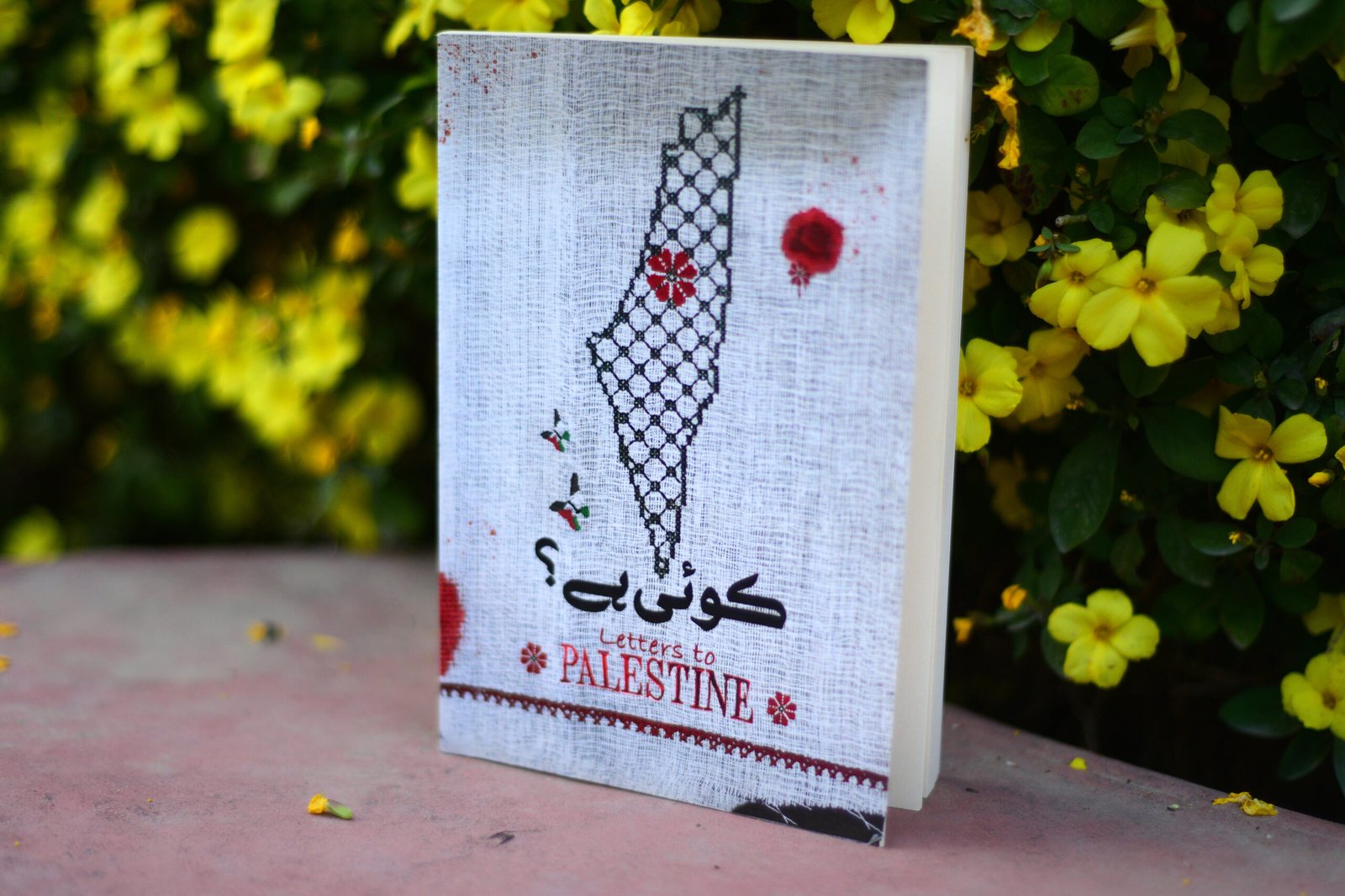
Oh my God. Publishing, if it has to have an impact beyond sales (which are important too), then it is not just about who you represent. It is also utilising the written word as a documentation to state something. When I published ‘Koi Hai: Letters to Palestine’ I sent the anthology to human rights organisations across the world, stating that this book was a physical act of witnessing the genocide. It wasn’t done out of arrogance ‘Look at me, look at how good I am’ but very much from a screaming ache for humanity that as scholars, librarians, journalists, writers, poets were being annihilated, publishing or at least I as a publisher needed to speak up and say we are watching, we are witness to this and we will document it. Publishing is driven by the pen. The pen has to be utilised by the witness.
What kinds of shared human experiences do you think publishing often fails to name or preserve?
The human experience is universal. We face the same battles, personally, individually, collectively, nationally, internationally but at different stages of our existence on Earth. What we need to do is enable more literature to flow freely from country to country. Look what Khaled Hosseini’s The Kite Runner did for the Hazara. It humanised them through that one little boy. Suddenly everyone knew about ‘the Hazara’. Publishing is such a force for change.
How do you ensure your feminist lens remains intersectional rather than centered on a single dominant narrative of feminism?
I’ve led an incredibly multi-dimensional life. I’ve been lucky to have had access to worlds of all kinds, across the spectrum. This has caused me and still teaches me that dominant narratives will always fail unless nuanced approaches are applied and context is understood. You cannot paint the world with the same brush. You cannot expect everyone to accept your view because it is the ‘best one’. While cultural disruptions work, are the results always the same and for the best? No and no. So what do you do? Feminism for me goes beyond women. It comes down to ensuring humanity remains the foundation we all need to stand upon, and grow upwards and onwards. Nothing can be done without equity.
Where do you see feminism in publishing still falling short today?
Since 2020, I have seen Pakistani women pick up the helm and I could not be more proud of them. Historically, Pakistan has produced stellar female publishers, editors, journalists, authors, cartoonists and more. Women have been pushing limits and fighting for freedom of expression valiantly. Where I do see feminism falling short is when the cause is put aside for ego or personal gain. But this isn’t a publishing problem, it spans every area of life in Pakistan. What I would love to see more of is feminist research and feminist publications based on research and data. We are lagging behind in that.
How do commercial pressures shape or challenge your editorial independence?
My editorial independence is mine alone and while I don’t see commercial pressures shaping or challenging me, I know my independence has challenged the status quo. Look, your work has to speak for itself. It’s all very well creating chaos and noise and then looking for likes and followers on social media, but then don’t whine about why nobody wants to engage, and most definitely don’t expect me to cater to your whims. I fund every book out of my pocket which is why I do small batch production, and I encourage my authors who own copyright to take on bigger and better deals if they come their way. Commercialisation of books in Pakistan is very difficult, also because the literary market (different from publishing) has not invested in Pakistan. Again, this has to do with the fact that we have not differentiated between publishers and printers and because publishing has stuck – at least before the national curriculum was introduced – to school books. Pakistan wants to read; affordability is the concern as consumers are forced to choose between a Rs 200 pirated Dracula or a Rs 8,000 locally published book (this is with reference to ZUKA Books). Besides, my work has always been more about advocacy for creative freedom than a commercial venture. Publishing house merchandise is still a long way off, which can also be a source of commercial activity.
Have you faced resistance from traditional publishing networks or booksellers because of your positioning?
Nope, never. If anything, I wish I could support them more. I have launched, given blurbs, reviewed authors of almost all publishing entities in Lahore and Karachi and I am always happy to lend a hand to anyone who needs or asks. Maybe one day I will be in a stronger position to give more.
What compromises, if any, have you had to refuse in order to stay aligned with your mission?
None. As in I have never made compromises in my publishing work. This is my life on display here, all my written work, all my published work, all my authors that I publish, this is my life. This is the path I chose to not walk upon, but carve and create.
Are there voices you still feel you haven’t been able to reach? If so, why?
Of course, there are so many marginalised communities in Pakistan and here’s the thing: not everyone uses English to communicate. In fact, not everyone uses language as we know it. I am still dreaming about stories being told through threadwork and embroidery; the craftwork where each symbol holds a story, or how shawls and carpets are woven with each design element sharing a piece of a larger story.
How would you describe your publishing house in your own words to someone discovering it for the first time?
It was formed as an act of resistance to the status quo of the time, and it advocates for creative freedom.
If you could disrupt one thing about the publishing industry overnight, what would it be?
Use recycled or handmade paper. I abhor the thought that trees are being cut down to create paper. This is also why I believe in sustainable production. I do not have an extra copy of any book lying around. Warehouses globally have stock lying around and it kills me because those are papers that could have still been trees. I am not an idealistic person, I never will be. But the injustice gets to me. I have tried to talk to my printer about using locally handmade paper but it’s a conversation that has yet to be executed in practice. Maybe that could be our next book project?
In a publishing landscape where many stories struggle to find a home, Zuka Books has carved out a space for voices that might otherwise go unheard. Through her work, Mehr, and I, now as Editorial Director, are hoping to build a community of writers, readers, and storytellers who believe their experiences deserve to be seen and shared. The written word is powerful beyond measure. It connects and validates. But most importantly it reminds us that every story is worth telling.
.
.
.
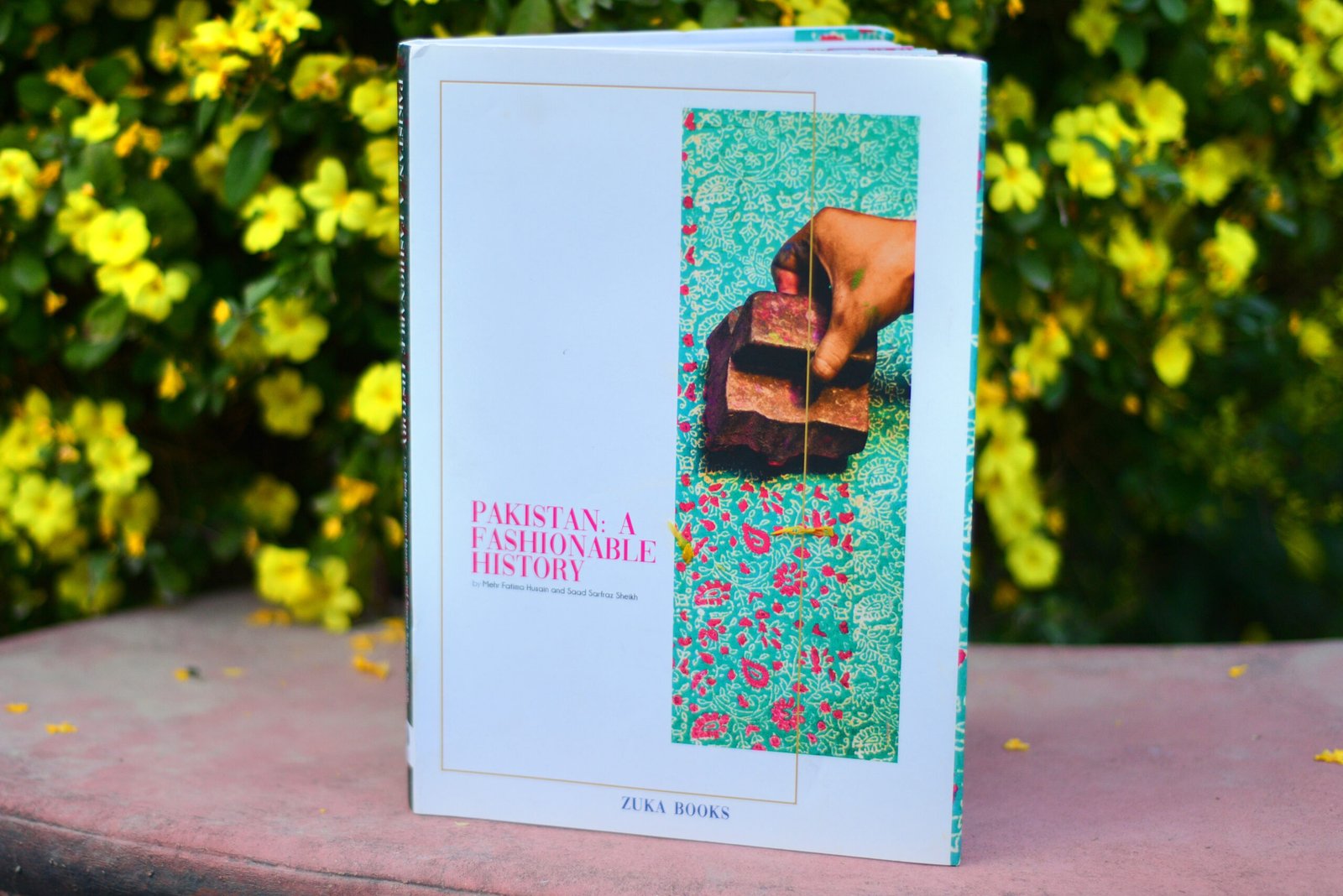
Credits: photos of Mehr F. Husain and books by Mobeen Ansari | photo of Sarah Khan in the cover collage by Yawar Iqbal
![In rage and solidarity with women putting their lives, bodies, and energies into the fight for safer, more caring futures.
We’re thrilled to introduce three seed grants in support of the rage driven good work by cis and trans women and non-binary people. And we’re even more thrilled to be collaborating with the @schoolofio School to expand the depth and scope of this work.
Application link and details on writingwomen.co
“[it is] our power to envision and to reconstruct, anger by painful anger, stone upon heavy stone, a future of pollinating difference and the earth to support our choices” -Audre Lorde
.
.
.
.
.
#writingwomen #seedgrants #insolidarity](https://writingwomen.co/wp-content/plugins/instagram-feed/img/placeholder.png)